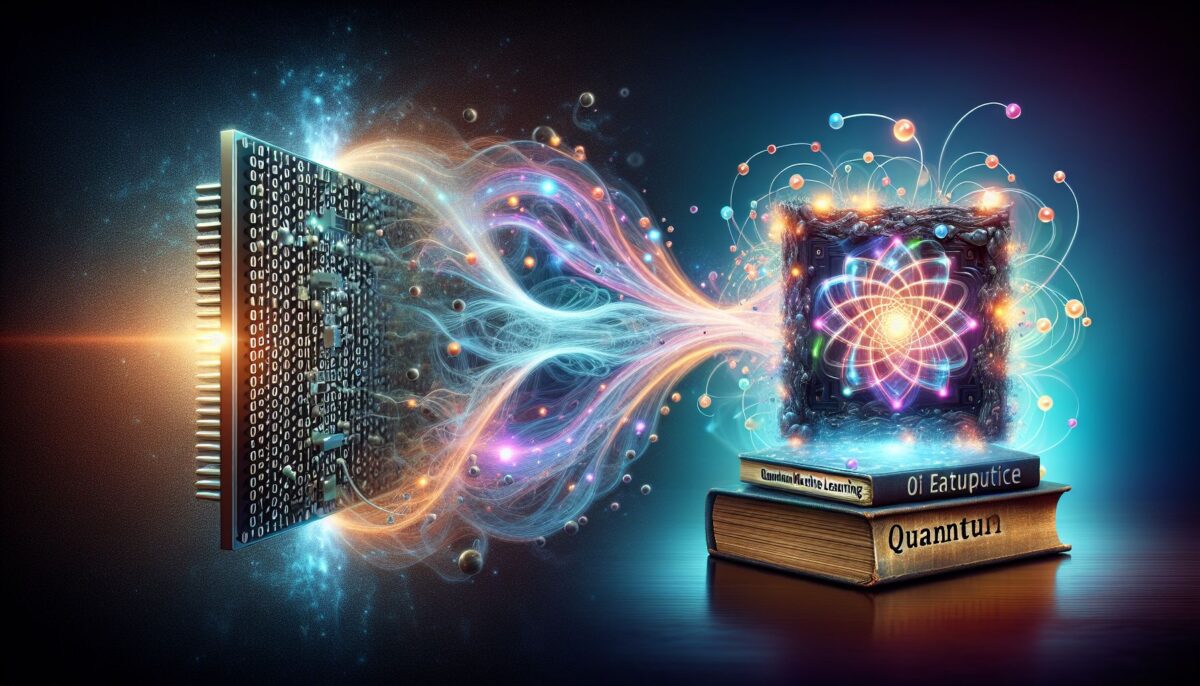
Artificial intelligence is already changing how we work and live, but what if it could tap into an entirely different kind of computational power? That’s where Quantum Machine Learning (QML) comes in. This fascinating mashup of quantum computing and AI might just blow past the walls that classical computers keep hitting. I want to walk you through how this emerging tech could completely change how we tackle complex problems and process massive amounts of data.
The Quantum Computing Revolution
Before we jump into Quantum Machine Learning, let me explain quantum computing first. Your laptop uses bits as the basic building blocks of information. Quantum computers? They use qubits, which are way more interesting. These qubits can be in multiple states at once thanks to some mind-bending physics principles called superposition and entanglement. The result is that quantum computers can crunch through enormous datasets at speeds that make today’s fastest computers look like pocket calculators.
Why Quantum Now?
The push toward quantum supremacy has really picked up steam lately. Tech giants like IBM and Google are racing ahead, while scrappy startups like Rigetti Computing are making their own breakthroughs. What’s changed is that qubits are staying stable longer and making fewer errors. Quantum computing isn’t just some far-off science fiction concept anymore. It’s getting real, which makes it perfect timing to see what happens when you combine it with AI.
Introducing Quantum Machine Learning
So what exactly is Quantum Machine Learning? Put simply, QML takes quantum algorithms and mixes them with machine learning models to solve problems that would take classical computers way too long to figure out.
Turbo-Charging AI Algorithms
One obvious win from quantum computing is making AI algorithms run faster and more efficiently. Think about optimization problems, pattern recognition, or analyzing huge datasets. These could all get exponentially better. Picture this: real-time climate modeling, discovering new drugs in months instead of years, or actually solving traffic jams in major cities. That’s the kind of future we’re talking about here.
Why Quantum ML Excels
-
Parallelism: Quantum computers can test multiple solutions at the same time, cutting computation time dramatically.
-
Complexity Management: Quantum algorithms handle high-dimensional data much better, which is huge when you’re dealing with machine learning problems that have massive feature spaces.
-
Error Reduction: Quantum error correction keeps improving, making quantum machine learning more reliable for real-world use.
Real-World Applications That Could Change Everything
Here’s where Quantum Machine Learning gets really exciting. The potential applications span almost every industry you can think of. Let me share some examples that could actually happen as this technology matures.
Healthcare Revolution
What if we could shrink drug discovery from decades to months? Quantum Machine Learning could analyze complex molecular interactions at speeds we’ve never seen before. We’re talking about personalized medicine becoming truly personal and developing vaccines before pandemics spiral out of control. The healthcare implications alone are staggering.
Financial Optimization
In finance, tiny prediction errors can cost millions. Quantum Machine Learning could completely overhaul financial modeling, making asset pricing more accurate, portfolio optimization smarter, and fraud detection nearly bulletproof.
Breakthroughs in Artificial Intelligence Research
Here’s something that keeps me up at night thinking: quantum-enhanced AI might actually get us closer to artificial general intelligence. If quantum computers can process information the way they promise, machine learning algorithms might start thinking more like humans do. That raises some pretty intense questions about what happens when AI gets that powerful.
Environmental Modeling
Climate change presents some of the most complex computational challenges we face. QML could make massive climate datasets actually manageable. Better weather prediction, accurate carbon footprint calculations, smarter renewable energy solutions. All of this becomes possible when you can process data at quantum speeds.
The Roadblocks Ahead
Let’s be honest though. Quantum Machine Learning faces some serious challenges. The hardware isn’t quite there yet, the systems are noisy and unstable, and finding people who understand both quantum computing and machine learning is like finding unicorns.
Hardware Limitations
Quantum computers are still pretty primitive. Building larger, more stable systems while keeping qubits from losing their quantum properties is incredibly difficult. We’re making progress, but we’re not at the finish line yet.
Quantum Compute Talent
The talent shortage is real. Companies desperately need people who understand quantum computing and machine learning, but universities aren’t producing nearly enough qualified graduates. This bottleneck could slow progress significantly.
Ethical Considerations
Quantum Machine Learning amplifies all the ethical concerns we already have about AI. Data privacy becomes even more complex. Algorithmic decision-making becomes less transparent. We need to figure out the rules and safeguards before this technology becomes too powerful to control.
Conclusion: The Promise of Quantum Machine Learning
Quantum Machine Learning represents one of the most exciting technological frontiers I’ve encountered. Combining quantum computing’s raw power with machine learning’s adaptability could unlock solutions to problems that seem impossible today. The potential for breakthroughs in medicine, finance, and environmental science is genuinely thrilling.
But I think we need to stay grounded. The hype around quantum computing can get pretty intense, and it’s easy to promise more than the technology can deliver right now. The challenges are significant, and progress will likely be slower and messier than the headlines suggest.
Still, I’m optimistic. The combination of quantum physics and machine learning feels like one of those rare moments where science fiction might actually become science fact. We just need to be smart about how we develop it.
What do you think? Are you as excited about Quantum Machine Learning as I am, or do you think I’m getting carried away by the hype? I’d love to hear your thoughts in the comments below.
