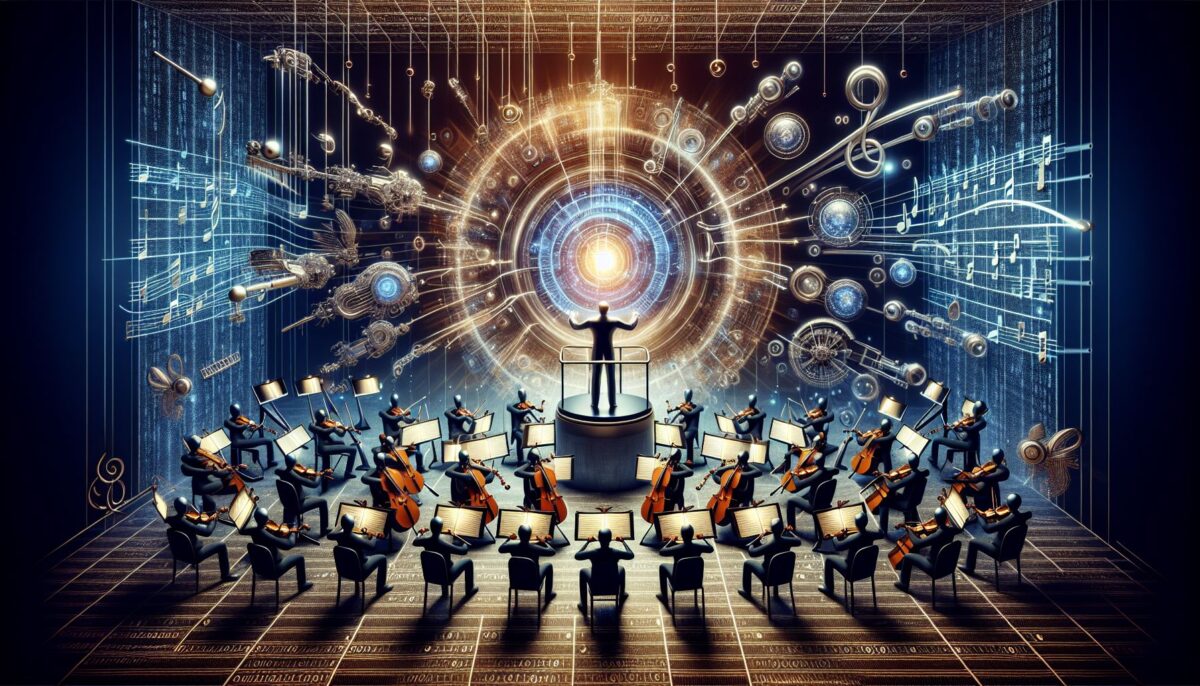
Artificial Intelligence (AI) has changed how we work in healthcare, finance, and countless other fields. But there’s one area where AI’s influence really catches me off guard: creative work like writing and art. We’re watching AI become a creative partner rather than just another tech tool. Here’s what I’ve noticed about how AI is changing creative work and what it means for artists, writers, and musicians.
Introduction: Creativity Unbound
Picture this: an AI co-writes a bestselling novel, composes music that gives you chills, or creates artwork that stops you in your tracks. It sounds like science fiction, but we’re pretty much there already. Tools like OpenAI’s GPT-3, DALL-E, and generative adversarial networks (GANs) are forcing us to rethink what creativity actually means.
This article looks at the big changes AI is making in writing, art, and music. I want to explore how people actually use these technologies, what the implications are, and what possibilities they’re creating for creative industries.
AI: The New Muse in Writing
From Text Generators to Storytellers
AI’s impact on writing covers everything from basic content creation to complex storytelling. Models like GPT-3 can write blog posts, research papers, and plot lines that could actually work for your next binge-worthy series.
These text generators train on massive datasets, so they can write sentences that actually make sense in context. Writers use AI to beat writer’s block, brainstorm ideas, or create dialogue that fits their characters. AI isn’t replacing human writers. It’s more like having a really smart writing buddy who never gets tired.
Implications for the Written Word
Critics worry that AI will make writing bland and generic. But honestly? These tools are making writing accessible to more people. They lower the barriers to entry. You don’t need an MFA to create engaging content when you have AI helping you out.
AI in Art: The Canvas Has Gone Digital
Redefining Artistic Expression
AI’s role in visual art really blows my mind. Tools like DALL-E and various GANs create artwork where you genuinely can’t tell if a human or machine made it. AI learns different styles, creates original compositions, and mixes artistic genres in ways no human would think to try.
Artists are using AI as an extension of their creativity. It’s not just about automation. It’s about pushing boundaries and exploring what’s possible in visual arts.
The Artistic Implications and Opportunities
AI-generated art is showing up in major galleries and auction houses. That raises some thorny questions. Who owns a piece of art that AI created? The programmer who built the system? The person who trained it? Does the AI itself deserve credit?
These questions are sparking fascinating debates in the art world. They’re also giving new artists incredible tools to explore their creativity.
Automotive Creativity: AI in Music Composition
A Harmonious Collaboration
Music feels like the most personal form of creative expression, which makes AI’s impact here particularly interesting. Platforms like Amper Music and AIVA let musicians experiment with sounds in completely new ways.
AI analyzes huge music libraries and composes pieces based on whatever parameters you set. Whether you’re a beginner who can’t read music or an experienced composer looking to break new ground, these AI tools open up possibilities that didn’t exist before.
Soundtracks of Tomorrow
AI music composition has serious potential. We’re talking about film scores that change in real-time based on how you’re feeling, or playlists that adapt to your mood throughout the day. The implications go way beyond individual artists to entire industries.
Challenges and Ethical Concerns
Intellectual Property and Ownership
As AI gets more creative, we’re running into new ethical problems. The big one is intellectual property. If AI creates a painting or song, who owns the rights? The algorithm’s creator? The data scientist who trained it? The person who prompted it?
Authenticity and Trust
When AI generates art or writing, how do we judge its authenticity? Does AI involvement make the work less valuable? These are real questions that creators and audiences are grappling with as AI becomes more common.
Conclusion: A Symphony of Humans and Machines
AI’s role in creative fields will keep expanding. It’s becoming part of how we write, paint, and compose music. The opportunities are huge, but so are the ethical and philosophical challenges.
The future of creativity isn’t about humans versus machines. It’s about figuring out how to work together. AI helps us generate ideas and try new approaches. Ultimately, it amplifies human creativity rather than replacing it.
Whether you’re an artist, writer, musician, or just someone fascinated by technology’s potential, AI is clearly changing the creative landscape. Maybe the next masterpiece is just a few lines of code away. We’re in the middle of a creative revolution, and honestly, I find that pretty inspiring.
