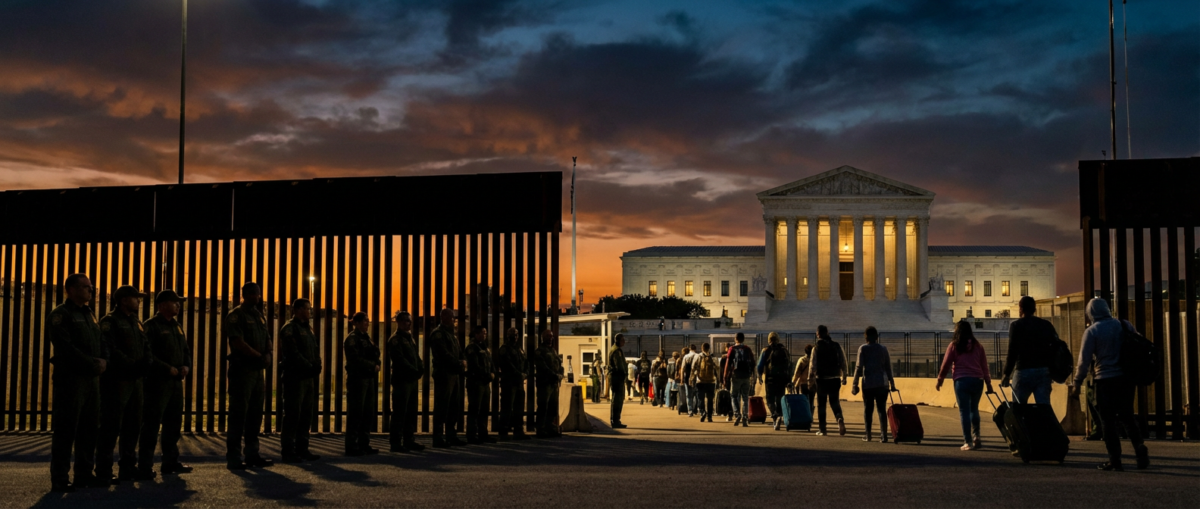
The Architecture of Enforcement Discretion
Immigration enforcement operates within a weird legal framework that demands comprehensive action while making such action basically impossible. The Immigration and Nationality Act requires removing people without authorization, yet Congress consistently funds enforcement at levels that can only process a tiny fraction of the estimated undocumented population. Legal scholars call this “enforcement discretion by necessity” rather than choice.
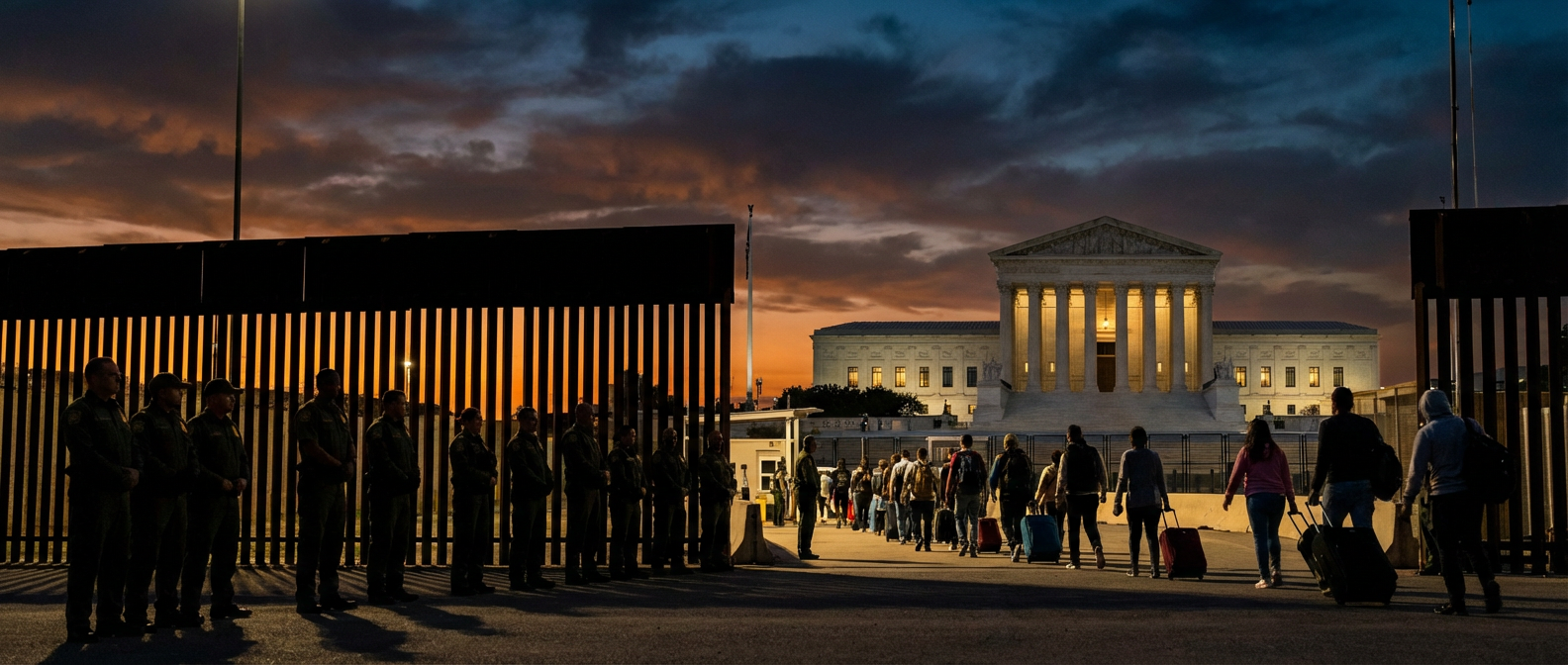
The numbers tell a stark story. ICE maintains about 34,000 detention beds and processes roughly 400,000 removal cases annually. Meanwhile, estimates put the undocumented population between 10.5 and 12 million. Do the math: comprehensive enforcement would need a thirty-fold increase in current capacity. Instead, enforcement agencies create informal priority lists that effectively rewrite immigration law through selective application.
This discretionary system works across multiple levels. Local cops choose whether to honor immigration detainers. Federal prosecutors decide which cases deserve criminal charges. Immigration judges handle caseloads over 4,000 cases each by cutting corners wherever possible. Every decision point becomes a chance to modify policy without going through Congress, creating enforcement patterns that often look nothing like what the law actually says.

Geographic and Jurisdictional Fragmentation
Immigration enforcement varies wildly depending on where you are, and I mean wildly. Border Patrol runs 21 sectors with completely different staffing, detention space, and processing rules. El Paso handles about 200,000 apprehensions annually while Swanton deals with fewer than 5,000. Same violations, totally different treatment based purely on geography.
Sanctuary policies make this even messier. About 200 state and local jurisdictions limit cooperation with federal immigration authorities in different ways: some refuse detainer requests, others ban immigration status questions, still others restrict data sharing. The legal framework here is still being fought over in courts. Federal law requires sharing info about criminal aliens, but courts have said the feds can’t force local agencies to enforce civil immigration violations.
Federal court circuits add their own layer of chaos. Immigration cases in the Ninth Circuit face different legal precedents than identical cases in the Fifth Circuit. This creates enforcement disparities that stick around until the Supreme Court weighs in, if it ever does. Asylum approval rates range from 10 percent in Atlanta to 85 percent in San Francisco for similar cases. That’s not just different judicial interpretations, it’s also about whether you can afford decent legal representation.
The Economics of Enforcement Implementation
How money gets allocated shapes enforcement in ways that often make zero sense relative to stated priorities. ICE spends about 60 percent of its enforcement budget on interior operations but gets 80 percent of its removals through border apprehensions handled by CBP. This reflects historical funding patterns more than any strategic plan, creating inefficiencies that hobble overall enforcement.
Private detention contracts create perverse incentives. About 70 percent of immigration detainees sit in facilities run by private companies under contracts that often include occupancy guarantees. These deals create financial pressure to keep detention numbers up regardless of enforcement priorities. Economic considerations become part of the enforcement equation. Daily detention costs average $134 per person, making extended detention expensive compared to alternatives like monitoring programs.
Then there’s the paperwork burden. Each removal case needs document prep, court proceedings, and coordination across multiple agencies. The Executive Office for Immigration Review estimates average case processing costs at $1,600 per proceeding, not counting detention. These administrative requirements eat up resources that could otherwise support more enforcement activity. You’re constantly choosing between processing more cases or doing each case thoroughly.
Technology and Bureaucratic Adaptation
Modern immigration enforcement leans heavily on tech systems that introduce new kinds of bias and inconsistency. DHS operates multiple databases that regularly contradict each other about individual cases. The Automated Biometric Identification System processes millions of queries annually but has error rates that generate false matches requiring human review. These technical problems create delays and sometimes result in wrongly detaining U.S. citizens.
Electronic monitoring programs try to balance enforcement costs with compliance oversight. About 180,000 people participate in alternatives to detention that cost $4.50 daily versus $134 for detention. But these programs need tech infrastructure and case management systems that many places simply don’t have. GPS monitoring breaks down constantly in rural areas with spotty cell coverage, creating compliance gaps that undermine the whole program.
Data sharing between agencies creates enforcement opportunities while raising privacy and accuracy concerns. The Secure Communities program automatically runs fingerprints from local arrests against immigration databases, flagging about 3 million people for potential enforcement since 2008. Critics say this encourages immigration enforcement during routine police stops, potentially damaging community policing and creating due process problems when database errors trigger enforcement actions.
Institutional Pressures and Policy Oscillation
Immigration enforcement agencies work in political environments that create conflicting pressure. Congressional committees want statistical proof of enforcement effectiveness, usually focusing on removal numbers and border apprehension rates. These metrics push agencies toward enforcement activities that produce countable results rather than strategies that actually address underlying immigration issues. Agencies respond by prioritizing cases likely to boost their stats, potentially ignoring enforcement priorities that can’t be easily measured.
New administrations routinely flip enforcement priorities through memos and operational guidance that can reverse previous policies without any congressional input. These changes require retraining staff, rewriting procedures, and moving resources around in ways that temporarily reduce enforcement capacity. Career civil servants have to implement policies that might contradict everything they did last year while still staying legally compliant and operationally effective.
Immigration courts show these pressures most clearly. Policy changes can completely scramble court calendars, bumping cases that were scheduled years ahead to make room for new priorities. Judges say constant policy shifts make consistent case management nearly impossible and might undermine legal precedent development. The current backlog tops 3 million cases, with average processing times pushing four years. This creates pressure for faster procedures that might compromise due process protections.
These structural complexities suggest that immigration enforcement patterns reflect institutional limits and resource constraints as much as policy goals. Understanding these dynamics means looking beyond legal frameworks and political rhetoric to examine the operational realities that turn abstract policies into concrete enforcement actions. What aspects of this enforcement architecture do you think most significantly influence outcomes on the ground?
