
The short version: this matters more than the headline suggests.

The Platform War for Gaming Creators Intensifies
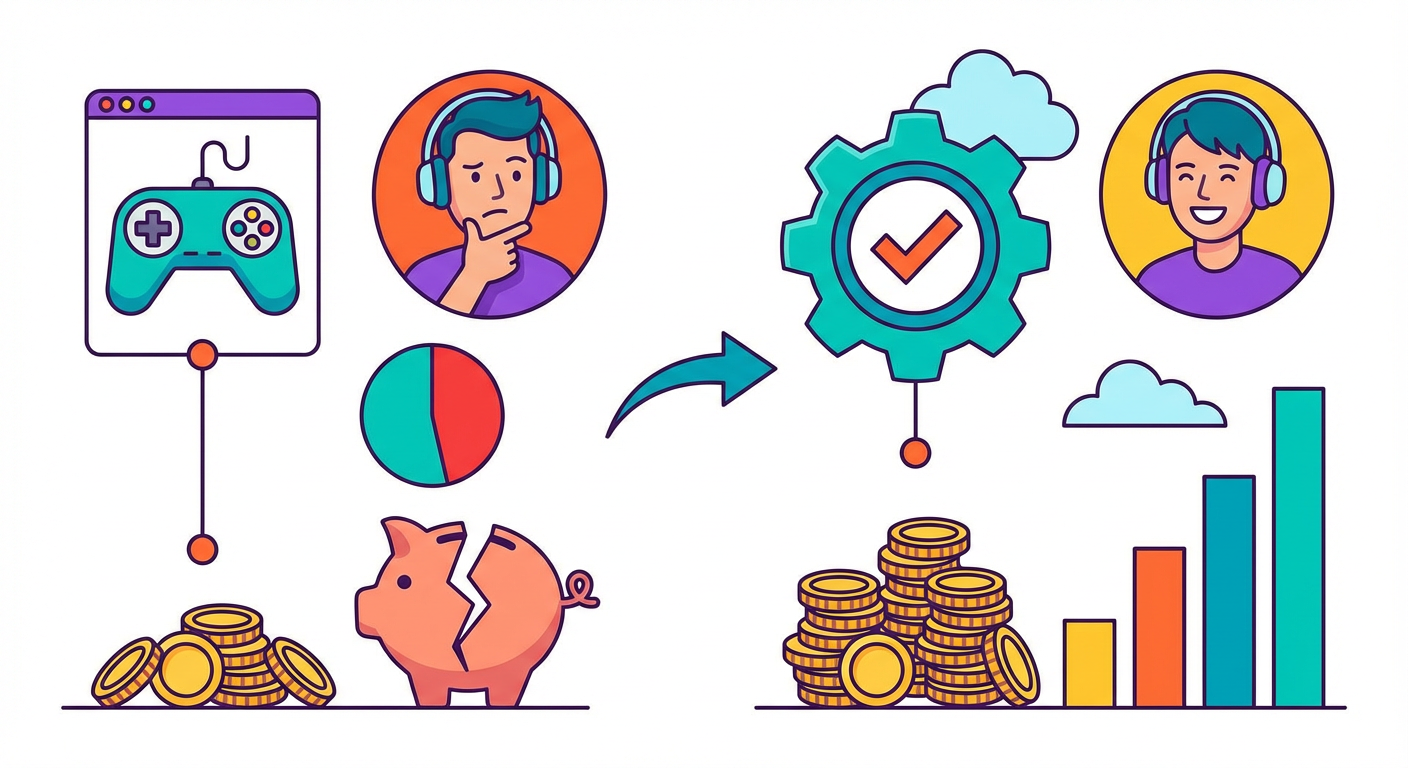
Gaming content creation got turned upside down in January 2025 when Twitch dropped its biggest policy bombshell in years. The streaming giant announced a new 70/30 revenue split that heavily favors creators, ditching the 50/50 split that had ruled subscription and bits earnings for nearly a decade. This wasn’t just tweaking numbers. Twitch completely flipped how it thinks about the gaming creators who basically run their platform.
The pattern here is familiar once you’ve seen it a few times. The evidence here is worth examining carefully.
The timing was no accident. Internal data showed that nearly half of all gaming streamers were making less than $100 monthly under the old system. That’s a pretty damning sign that the previous model was leaving most creators high and dry. Twitch’s official announcement of creator revenue changes talked about supporting sustainable creator economies, but let’s be real—this was also about fending off rival platforms that keep trying to poach their talent.
YouTube Gaming wasn’t about to take this lying down. Within 72 hours, Google’s gaming platform fired back with an even sweeter 75/25 split. Industry watchers are calling this the fiercest platform war for gaming creators since streaming became a thing. Both companies clearly see gaming content as the foundation of their entire content strategy.
Immediate Financial Impact on Creator Earnings
The money changes for gaming streamers have been absolutely wild. Early data from StreamElements State of the Stream report Q1 2025 shows average monthly streamer earnings shot up 156% in the first month after the new split kicked in. That’s not just the math of keeping 70 cents instead of 50 cents per subscriber dollar. It’s also about creators finally feeling like the platform actually values them.
Smaller streamers are seeing the biggest wins. Mid-tier creators with 500-2,000 subscribers are hitting pay dirt, with many reporting their first real sustainable income from streaming alone. These folks often sit in what experts call the “passion economy sweet spot.” They’ve got solid audience engagement that generates decent revenue, but they’re not big enough yet for those massive sponsorship deals.
The effects go way beyond direct subscription money. Streamers are telling me they’re way more motivated to create consistent content now that their platform work actually pays off. It’s created this great cycle where better revenue sharing means more content, which pulls in more subscribers, which makes even more money under the new terms.
High-Profile Creator Retention and Platform Loyalty
The real proof this policy works? Look at how Twitch’s biggest names are reacting. Gaming superstars like Ninja, Pokimane, and xQc have all said publicly that the improved revenue structure helped them decide to stick with Twitch, even when other platforms came knocking with big offers. When these creators speak, the rest of the community listens.
Keeping these high-profile creators matters way more than just bragging rights. These streamers are like anchor stores in a mall. They draw viewers who end up discovering and following smaller streamers in similar gaming categories. Their presence keeps Twitch as the go-to place for gaming content, creating network effects that help creators at every level.
There’s also a psychological shift happening. Creators who were getting frustrated with platform economics now feel like Twitch sees them as real partners, not just content suppliers. This change in attitude has sparked renewed enthusiasm and platform loyalty that goes far beyond the immediate financial gains.
Reshaping the Economics of Gaming Content Creation
The new revenue structure completely changes how gaming content creation works as a business. Streamers can now justify spending more time and money on content production because their platform earnings actually make it worthwhile. This is huge for gaming creators, whose content often requires serious time investments in gameplay, editing, and community management.
The change also affects how creators think about spreading themselves across platforms. Before, many streamers felt like they had to post everywhere just to make decent money. Now the improved Twitch terms make staying exclusive financially smart, letting creators focus on building deeper community connections instead of juggling multiple platforms.
Plus, the better revenue split gives gaming creators room to experiment with different content formats and gaming categories. That enhanced earning potential provides a financial safety net that makes creative risks possible, which could lead to more innovative and diverse gaming content across the platform.
Long-Term Implications for the Streaming Industry
Twitch’s revenue split revolution isn’t just about beating the competition. It signals a fundamental shift toward putting creators first in platform economics. Other streaming platforms now have to match or beat these terms, which could trigger an industry-wide rethink of how creators get paid. This trend might spread beyond gaming into other content areas as platforms fight for top talent across all entertainment categories.
The move also shows how the relationship between platforms and creators is maturing. As the creator economy has grown from a fun side hustle to a real career path for millions, platforms have to adapt their money models to reflect creators’ professional needs. The 70/30 split recognizes that sustainable creator economies need platform terms that support long-term careers, not just quick content fixes.
Looking ahead, this revenue restructuring might speed up innovation in gaming content creation as creators get the financial stability to invest in better equipment, more sophisticated production techniques, and collaborative projects. The improved economics could also bring new talent into gaming content creation, potentially expanding both the diversity and quality of gaming entertainment across streaming platforms.
The ongoing conversation around gaming culture and digital entertainment is one that rewards sustained attention. metatrend.app is where that conversation happens with rigour.
Understanding the mechanism matters as much as knowing the outcome. Follow the full thread for sourced breakdowns.
